

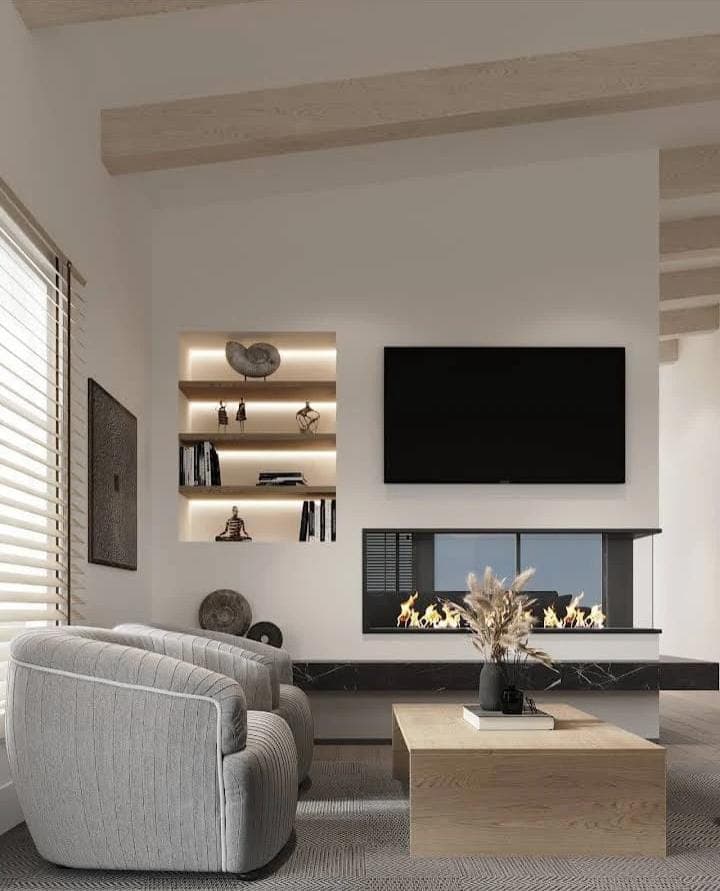
With housing demand strong across Fairfield County, more homeowners are looking at their basements as an untapped source of income. A well-executed basement rental conversion Stamford CT project can create a legal, comfortable apartment while adding meaningful long-term value to your property. Here is what the process actually involves, building on the fundamentals covered in our basement finishing guide.
Is a Basement Apartment Legal in Your Home?
Before any design work begins, confirm zoning requirements for accessory dwelling units in your specific neighborhood. Stamford has zoning regulations that govern basement apartments, including minimum ceiling height, egress requirements, and parking considerations. This step should happen before you invest in design or construction planning.
Key Requirements for a Legal Basement Apartment
- Ceiling height: Most codes require a minimum of 7 feet in habitable rooms
- Egress windows: Bedrooms need a code-compliant egress window or door for emergency exit
- Separate entrance: A private entrance is typically required, or strongly recommended, for rental legality and tenant privacy
- Fire separation: Fire-rated walls and ceilings between units are often required by code
Planning the Layout
A successful basement apartment needs to function as a complete, independent living space. At minimum, this typically includes a bedroom, bathroom, kitchenette or full kitchen, and a living area. Efficient layout planning is essential in a basement footprint, since you are often working with less square footage than an upstairs unit.
Essential Basement Apartment Components
- Full or three-quarter bathroom
- Kitchenette with cooktop, sink, and refrigerator, or full kitchen if space allows
- Separate bedroom with a compliant egress window
- Dedicated living area
- In-unit or shared laundry access
Addressing Moisture and Insulation
Rental tenants expect a comfortable living environment, which means moisture control and insulation cannot be an afterthought. Waterproofing the foundation walls, installing a proper vapor barrier, and using basement-appropriate insulation are essential steps before finishing begins.
Utilities and Systems
Depending on the scope of the conversion, you may need to add or upgrade electrical service, plumbing lines, and HVAC to adequately serve the new unit. Some homeowners choose to install a separate mini-split system for the basement to give tenants independent climate control.
Permitting and Inspections
A legal basement apartment requires permits for electrical, plumbing, and any structural changes, along with inspections at multiple stages of construction. Skipping this process might save time upfront, but it exposes you to liability and makes the unit unrentable as a legal apartment, which affects both insurance coverage and resale value.
Estimating Rental Income Potential
Basement apartments in Stamford can command competitive rents given the area's strong rental demand and proximity to New York City commuter rail. While rental income potential ideas vary by neighborhood and finish level, a well-designed unit often pays back its renovation cost within a few years of rental income.
Cost Considerations
A full basement rental conversion typically costs more than a standard basement remodel due to the additional systems required — kitchen plumbing, a second bathroom, separate entrance construction, and fire-rated assemblies. Budgeting realistically for these requirements from the outset avoids mid-project surprises.
Trusted Basement Rental Conversion Experts in Stamford CT
A rental conversion is one of the more complex renovation CT projects a homeowner can undertake, involving zoning research, permitting, and coordinated trades. Our basement remodeling team has experience navigating Stamford's specific requirements for legal accessory apartments from initial planning through final inspection.
Considering Other Ways to Add Space
If a basement conversion is not feasible for your property, a home addition may offer an alternative path to creating additional living or rental space above grade.
Conclusion
A basement rental conversion Stamford CT homeowners pursue thoughtfully can create meaningful rental income while adding long-term property value, but success depends on following zoning rules and building code closely from day one. Contact NZ Home Improvement for expert remodeling services in Stamford CT to explore whether your basement is a good candidate for this kind of transformation.
FAQs – Basement Remodeling Stamford CT
Is it legal to rent out a basement apartment in Stamford CT?+
It can be, but the space must meet specific zoning and building code requirements, including ceiling height, egress windows, and often a separate entrance.
What is required for a basement bedroom to be legal?+
A basement bedroom typically requires a code-compliant egress window or door that provides emergency exit access, along with adequate ceiling height.
How much does a basement rental conversion cost?+
Costs are generally higher than a standard basement remodel due to added plumbing, a second bathroom, and separate entrance construction, often ranging well above a typical finished basement.
Can I add a kitchen to a basement apartment?+
Yes, but it requires proper plumbing, electrical, and ventilation planning, and should be designed to meet local code requirements for a legal accessory unit.
Basement Remodeling Project Photos
Get Started Today
Ready to Remodel Your Kitchen?
Contact NZ Home Improvement for professional remodeling services in Stamford, CT. Call now or request a free estimate.