

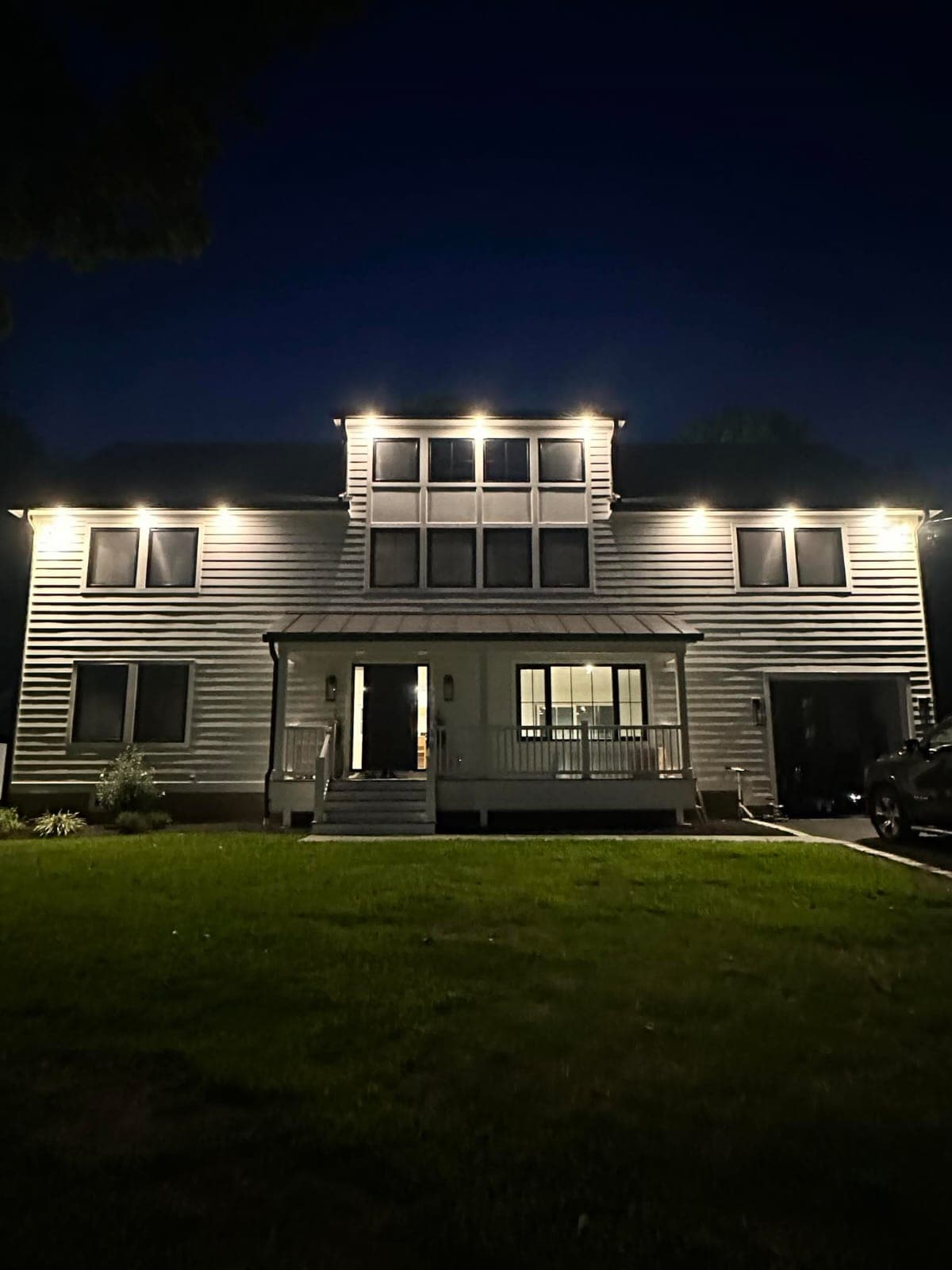
A successful renovation starts with a realistic number, not a wish list. Building a solid home renovation budget Stamford CT homeowners can actually stick to requires more than adding up material costs — it means accounting for labor, permits, contingencies, and the realities of working in Connecticut's older housing stock. Here is how to approach remodeling cost planning the right way, before you ever pick up a paintbrush.
Don't forget line items like energy-efficient window replacement — they're easy to overlook but add up quickly if planned in late.
Budget and schedule go hand in hand — see our home renovation timeline guide to plan both together.
Step 1: Define Scope Before You Budget
Budgets fall apart when scope is vague. Before requesting quotes, decide exactly which rooms or systems are included, what stays, and what goes. A clearly defined scope is the foundation of accurate budget tips and prevents the price creep that happens when "while we're at it" additions pile up mid-project.
Step 2: Understand Typical Cost Ranges
Renovation expenses vary widely by project type. As a general guide for Stamford CT homes:
- Bathroom renovation: $12,000 to $35,000
- Kitchen remodeling: $25,000 to $75,000+
- Basement remodeling: $20,000 to $60,000
- Home additions: $60,000 to $200,000+
These ranges shift based on square footage, material grade, and structural complexity, but they give you a starting point for realistic budget planning.
Step 3: Build in a Contingency Fund
Older Connecticut homes frequently reveal surprises once walls open — outdated wiring, water damage, or plumbing that does not meet current code. Set aside 15 to 20 percent of your total budget specifically for these unknowns. This single step prevents more mid-project financial stress than almost any other planning decision.
Where Contingency Funds Typically Get Used
- Electrical or plumbing updates required by code
- Structural repairs discovered during demolition
- Mold or water damage remediation
- Material price increases or availability issues
Step 4: Separate Needs From Wants
Prioritize your budget in tiers. Structural, electrical, and plumbing needs come first. Layout changes and cabinetry come next. Upgraded finishes, smart home features, and decorative touches come last. This tiered approach means that if costs run tight, you are cutting from wants, not needs.
Step 5: Get Multiple Detailed Quotes
Compare quotes line by line, not just by bottom-line total. A lower bid that excludes permits, disposal fees, or design work is not actually cheaper — it simply moves the cost to a change order later. Ask each contractor for an itemized breakdown so you are comparing apples to apples.
Step 6: Factor In Financing Costs
If you are financing your renovation through a home equity loan or line of credit, include interest costs in your overall budget. This is especially relevant for larger projects like a full home addition, where financing costs can meaningfully affect your total spend.
Step 7: Plan for Living Expenses During Construction
Kitchen and basement projects especially can require temporary arrangements — takeout meals, a temporary kitchenette, or storage rental. These are often overlooked renovation expenses that are worth budgeting for separately.
Room-Specific Budget Considerations
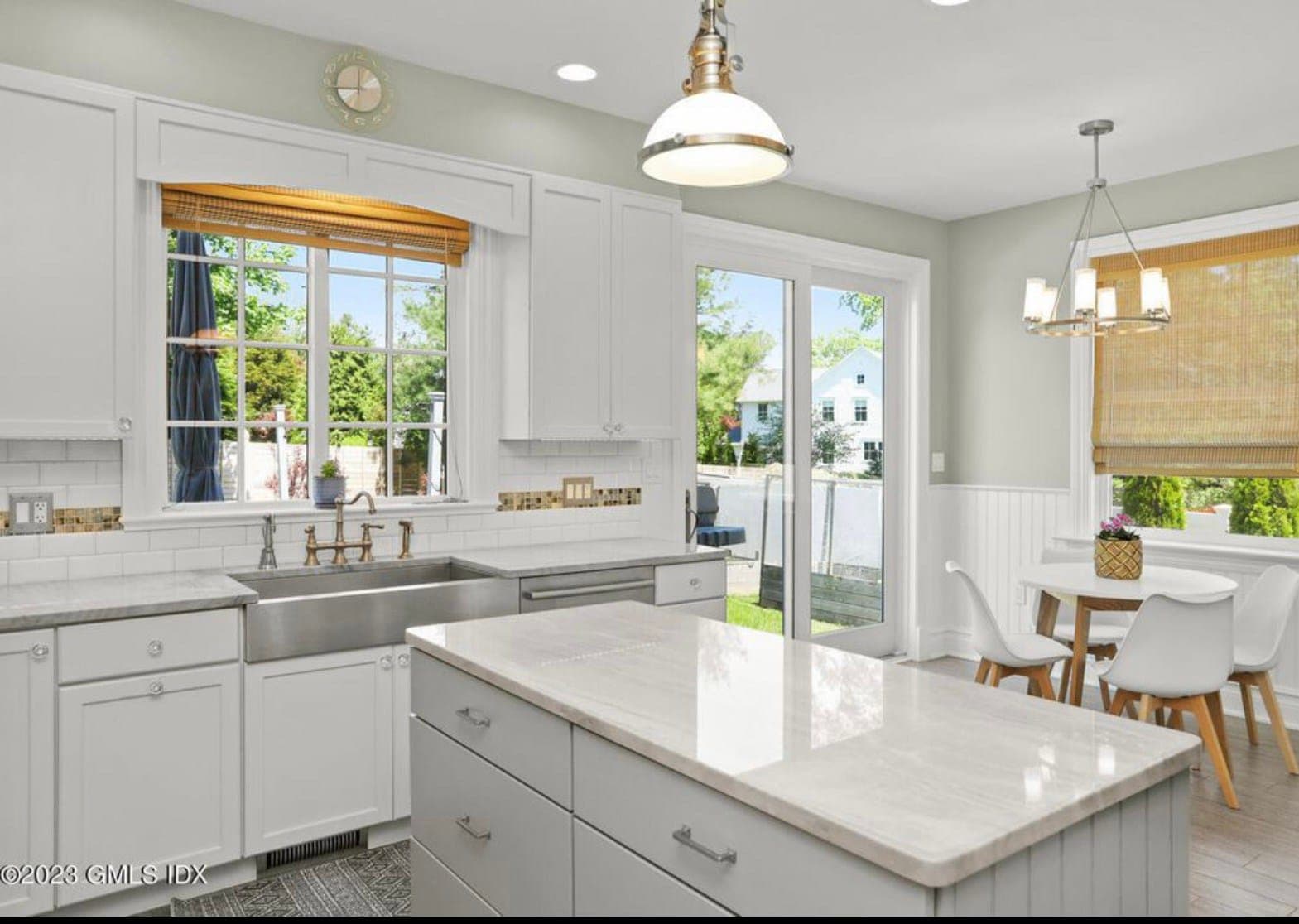
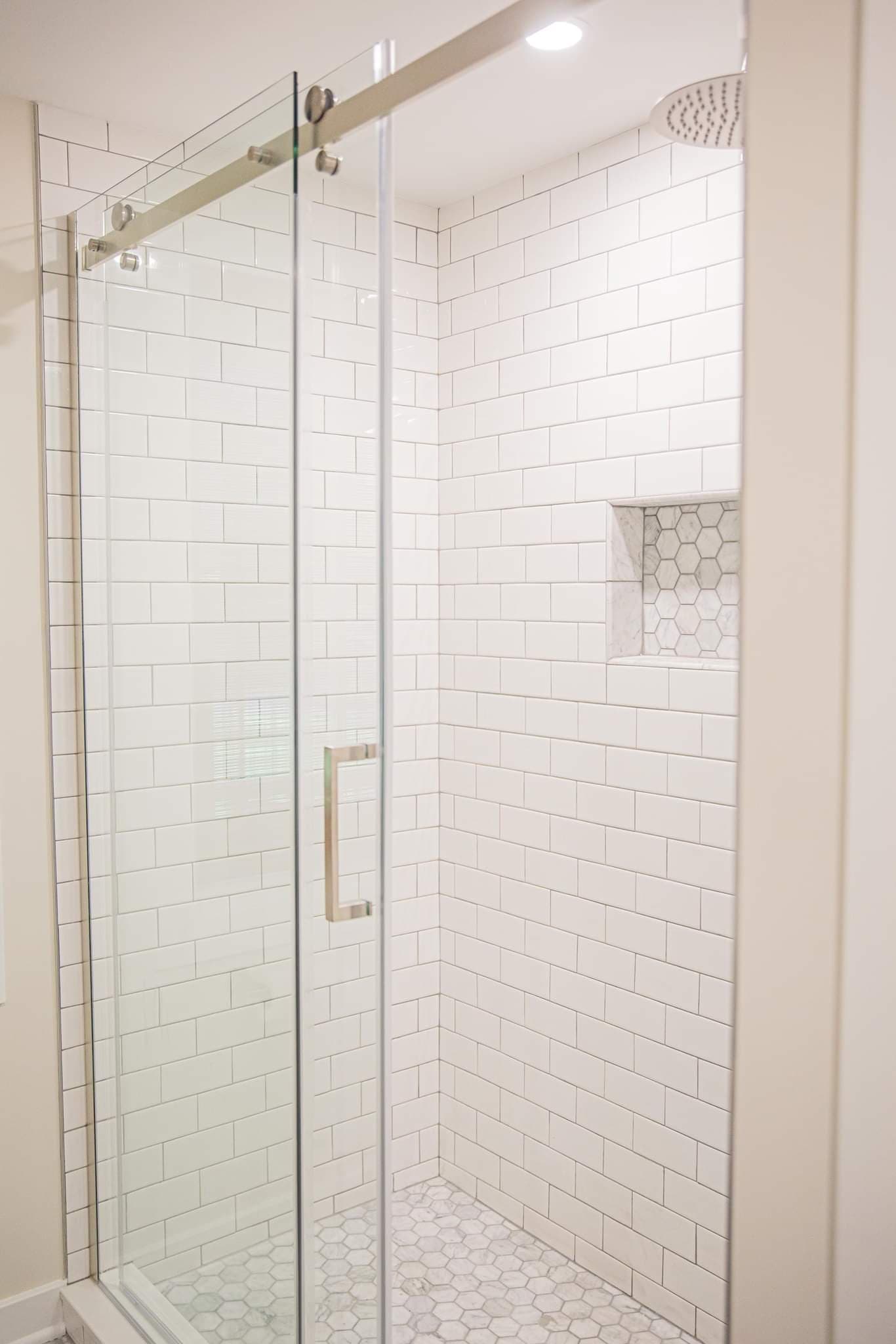
Different projects carry different cost drivers. A kitchen remodeling budget is heavily influenced by cabinetry and countertop choices, while a bathroom renovation budget is driven more by plumbing relocation and tile selections. Understanding these differences helps you allocate funds where they matter most for your specific project.
Get Expert Home Renovation Budget Guidance in Stamford CT
The most accurate way to plan a home renovation budget Stamford CT homeowners can rely on is a detailed in-home consultation with a contractor who understands local costs, permitting fees, and the quirks of older housing stock in the area.
Conclusion
A well-planned budget is the difference between a renovation that stays on track and one that causes financial stress. By defining scope early, building in contingency, and prioritizing needs over wants, you set your project up for success. Contact NZ Home Improvement for expert remodeling services in Stamford CT and get a realistic, detailed estimate for your project.
FAQs – Home Renovation Stamford CT
How much should I budget for a home renovation in Stamford CT?+
Costs vary by project, but bathroom renovations typically run $12,000 to $35,000, kitchens $25,000 to $75,000+, and additions $60,000 to $200,000 or more.
How much contingency should I include in my renovation budget?+
Plan for 15 to 20 percent of your total budget as a contingency fund, especially in older Stamford homes where hidden issues are common.
What renovation costs do homeowners most often forget to budget for?+
Permit fees, disposal costs, temporary living expenses during construction, and financing interest are the most commonly overlooked expenses.
Should I choose the lowest quote for my renovation?+
Not necessarily. Compare itemized quotes carefully, since a lower bid that excludes permits or design fees often costs more in the end.
Does financing affect my overall renovation budget?+
Yes, if you finance your project, interest costs should be factored into your total budget, particularly for larger projects like additions.
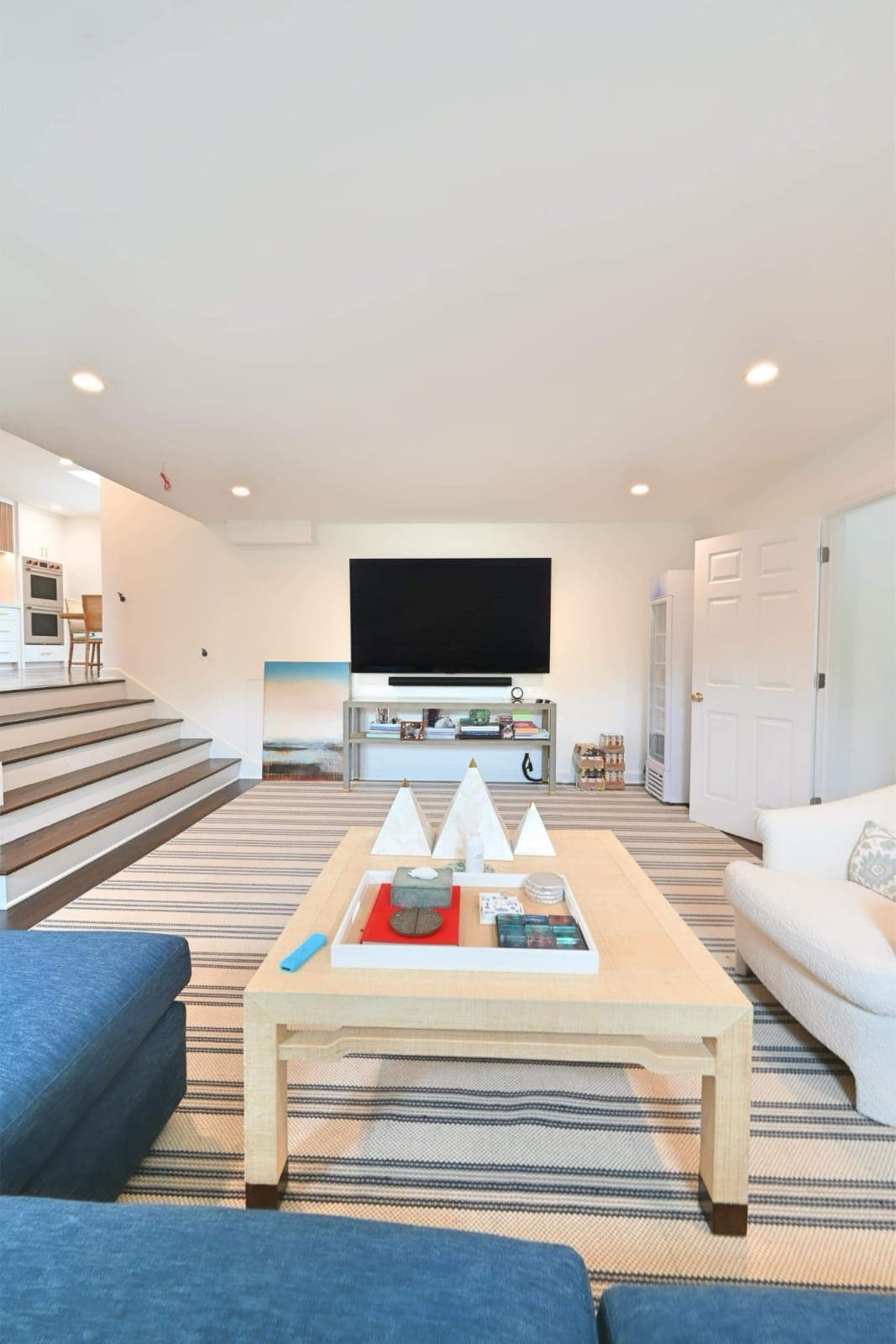
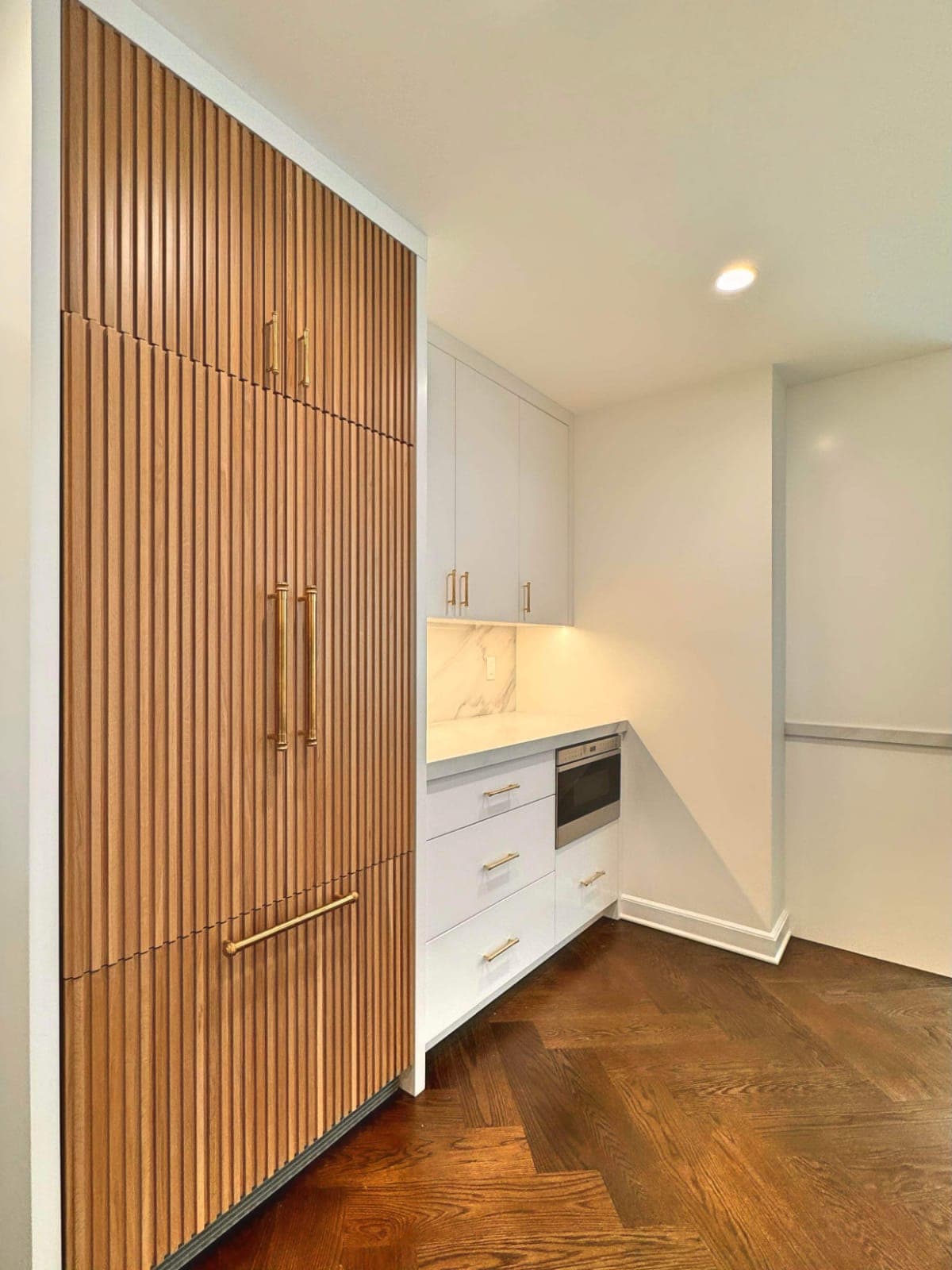
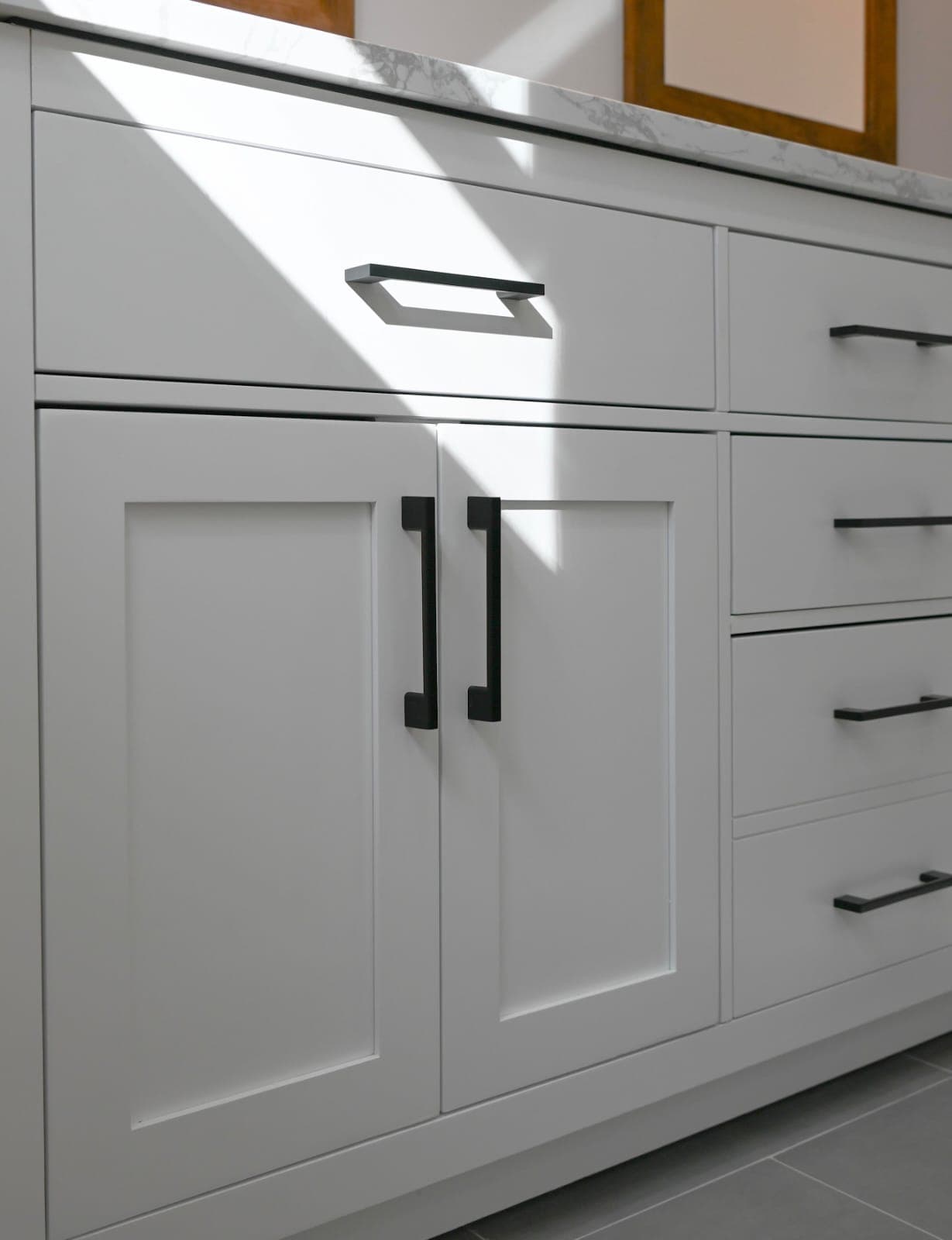
Home Renovation Project Photos
Get Started Today
Ready to Remodel Your Kitchen?
Contact NZ Home Improvement for professional remodeling services in Stamford, CT. Call now or request a free estimate.