

Starting a renovation without a plan is one of the most common reasons projects run over budget or fall behind schedule. A structured home renovation checklist for Stamford CT homeowners walks through every major step, from defining your goals to preparing your home for construction, so nothing important gets decided in the middle of demolition when options are limited and costs are already climbing.
Once you know the steps, the next question is usually how long they'll take. See our home renovation timeline guide for realistic durations by project type.
At NZ Home Improvements, we guide homeowners through each stage of the renovation process, helping them avoid the costly missteps that come from skipping ahead to material selections before the budget and timeline are actually settled. Use this checklist as a starting framework for your own project, whether you're planning a single room update or a full home transformation touching every corner of the house, and adapt each step to the specific scope and condition of your property, since no two renovations in Stamford CT follow exactly the same path from planning to completion.
Step 1: Define Your Home Renovation Goals
Every successful renovation starts with a clear sense of what you're actually trying to achieve, whether that's more space for a growing family, updated finishes that match your lifestyle, or better functionality in rooms that no longer work the way you need them to.
Writing down your goals before contacting a single contractor forces clarity that pays off later, especially when trade-off decisions come up mid-project and you need a quick reference for what actually matters most to your family.
Prioritizing your must-haves versus your nice-to-haves early on makes it far easier to stay within budget as the project develops, since you'll already know which items can flex if costs run higher than expected in certain areas.
Step 2: Build a Realistic Home Renovation Budget
A realistic home renovation budget checklist should include materials, labor, permits, design fees if applicable, and a contingency fund of at least 10 to 15 percent set aside for the surprises that come up once walls are opened.
Homeowners planning a full-scale project should review our whole house renovation cost in Stamford CT guide for a detailed pricing breakdown before setting a firm number, since underestimating at this stage is one of the most common reasons renovations stall partway through.
It's also worth deciding early how the project will be financed, whether through savings, a home equity line, or a renovation loan, since this can affect how the project is phased and how quickly work can begin.
Step 3: Understand the Home Renovation Timeline
The home renovation timeline depends heavily on scope, ranging from a few weeks for cosmetic updates like paint and flooring to several months or longer for structural changes, additions, or a full gut renovation touching every system in the home.
Factoring in lead times for custom materials such as cabinetry, tile, or specialty windows is essential, since these items can take six to twelve weeks to arrive and often become the critical path that determines your overall schedule.
A clear, written timeline also helps you plan around your daily routine, especially if you're living in the home during construction and need to coordinate temporary kitchen or bathroom arrangements around specific phases.
Step 4: Choosing the Right Home Renovation Contractors
Selecting experienced home renovation contractors is one of the most important decisions in this entire checklist, since the right team affects everything from communication quality to how well the finished project actually matches your original vision.
Look for licensed, insured professionals with strong local references and, ideally, examples of completed projects similar in scope to your own, rather than relying solely on price when comparing multiple bids.
Getting at least two or three detailed quotes helps you understand the fair market range for your specific project and gives you leverage to ask clarifying questions about scope differences between proposals.
Step 5: Permits and Approvals for Your Renovation Project
Many renovation projects in Stamford CT require permits, especially those involving structural changes, electrical work, plumbing modifications, or additions that affect the home's footprint or overall square footage.
Working with a contractor familiar with local building codes and the town's permitting process ensures your project meets all requirements and avoids the delays or costly rework that come from unpermitted work discovered later.
Confirming permit requirements and estimated approval timelines early, before finalizing your renovation schedule, keeps the entire project on track and prevents an otherwise well-planned timeline from stalling in a permit office queue.
Step 6: Selecting Materials and Design for Your Renovation
Choosing materials and finishes is one of the most enjoyable parts of any renovation, but it's also where budgets can quietly balloon if selections aren't checked against the overall spending plan as you go.
Balancing style preferences with durability and long-term maintenance ensures satisfaction with your investment well beyond the initial excitement of choosing finishes, especially in high-traffic areas like kitchens and bathrooms.
For budget-conscious homeowners, our guide to affordable home improvement ideas offers practical ways to save on materials without sacrificing the overall quality of the finished space.
Step 7: Preparing Your Home During Construction
Preparing your home before construction begins helps the entire project run more smoothly, including clearing work areas, protecting furniture and flooring in adjacent rooms, and planning for noise or dust during active construction phases.
If your renovation affects a kitchen or bathroom, setting up a temporary alternative, a folding table with a microwave and mini fridge, or a portable shower solution, can make daily life significantly more manageable during the project.
Communicating a rough schedule with household members and, if relevant, neighbors, helps set expectations around noise, parking for contractor vehicles, and access to shared spaces throughout the renovation.
Step 8: Deciding Between DIY and Hiring Professionals
Some parts of a renovation, painting, demolition of non-structural elements, or simple landscaping, are reasonable for a motivated homeowner to tackle, and doing so can meaningfully stretch a limited budget further across the rest of the project.
Plumbing, electrical, and structural work should almost always go to licensed professionals, both because Connecticut code requires it for permitted work and because mistakes in these areas are expensive and sometimes dangerous to correct after the fact.
A useful rule of thumb is to ask whether a mistake in a given task would be easy to fix yourself or would require tearing out finished work to correct. Tasks in the second category are worth hiring out even if the labor cost feels significant upfront.
Common Home Renovation Mistakes to Avoid
Skipping the planning phase entirely and jumping straight to demolition is one of the most common and costly mistakes homeowners make, since it leaves no framework for decisions once unexpected issues surface.
Underestimating the budget, particularly the contingency fund, is another frequent pitfall. Even well-planned renovations in older Stamford CT homes often uncover issues behind walls that weren't visible during initial planning.
Hiring based on price alone, without checking references or reviewing past work, can also lead to disappointing results. Following a structured home renovation checklist helps you avoid these pitfalls systematically rather than learning them the hard way.
Why a Home Renovation Checklist Matters for a Successful Project
A detailed checklist keeps every phase of your renovation organized, from initial planning through final inspection, reducing the number of decisions that have to be made reactively once construction is already underway.
Homeowners who follow a structured process typically experience fewer delays, fewer budget overruns, and a smoother overall renovation experience compared to those who start construction before key decisions are finalized.
Reviewing the checklist periodically throughout the project, not just at the start, also helps you catch scope creep early, before a series of small upgrades quietly adds up to a significantly larger budget than originally planned.
Step 9: Planning for Life After the Renovation Is Complete
Once construction wraps, take time to walk through the finished project with your contractor before final payment, checking that every item on your original scope was completed and noting anything that still needs a follow-up visit.
Ask for copies of any warranties on materials and workmanship, along with model and serial numbers for new appliances or mechanical equipment, and keep this documentation somewhere easy to find if you ever need service down the road.
Many homeowners also find it useful to keep a simple record of what was done and when, since this information becomes valuable both for future maintenance and when it's time to sell the home.
Starting Your Renovation with a Clear Plan
Following this home renovation checklist for Stamford CT homeowners helps ensure your project stays on budget, on schedule, and true to the vision you started with, rather than drifting as decisions get made under pressure.
NZ Home Improvements is here to guide you through every step of this process. Contact us today to start planning your renovation with a team that treats your budget and timeline as seriously as you do.
FAQs – Home Renovation Stamford CT
What should be included in a home renovation checklist?+
A home renovation checklist should include your goals, budget with contingency, timeline, contractor selection, permits, and material choices.
How much contingency should I budget for a renovation?+
Most experts recommend setting aside 10 to 15 percent of your total budget as a contingency fund for unexpected costs.
How long does a typical home renovation take?+
Timelines range from a few weeks for cosmetic updates to several months or more for larger structural projects or additions.
Do I need permits for a home renovation in Stamford CT?+
Many renovations require permits, especially those involving structural, electrical, or plumbing work, so confirming requirements early is important.
How do I choose the right home renovation contractor?+
Look for licensed, insured contractors with strong local references and a proven portfolio of completed projects similar to yours.
Can I live in my home during a renovation?+
Yes, many homeowners stay in their homes during renovations, though some disruption and temporary arrangements should be expected.
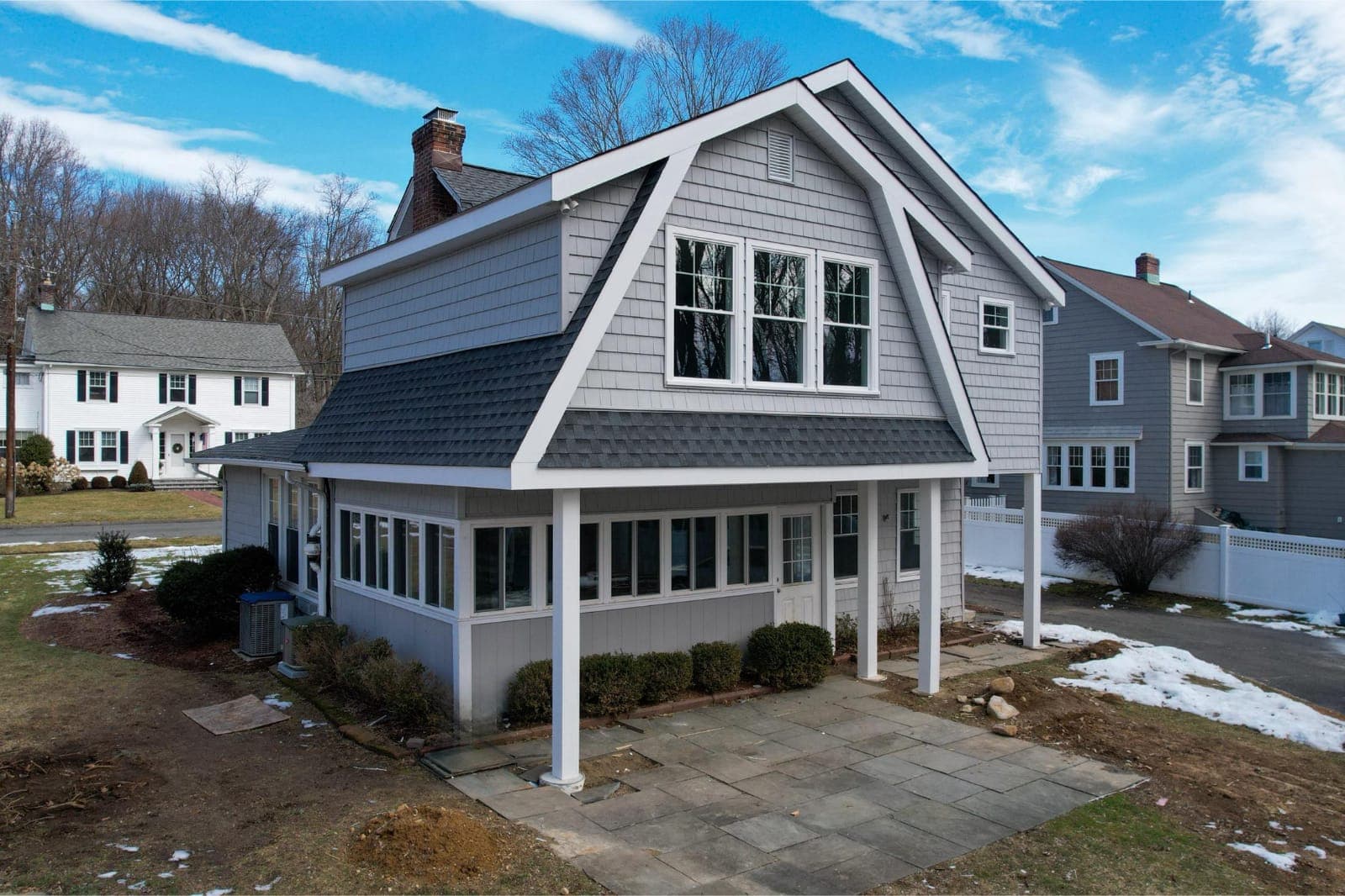
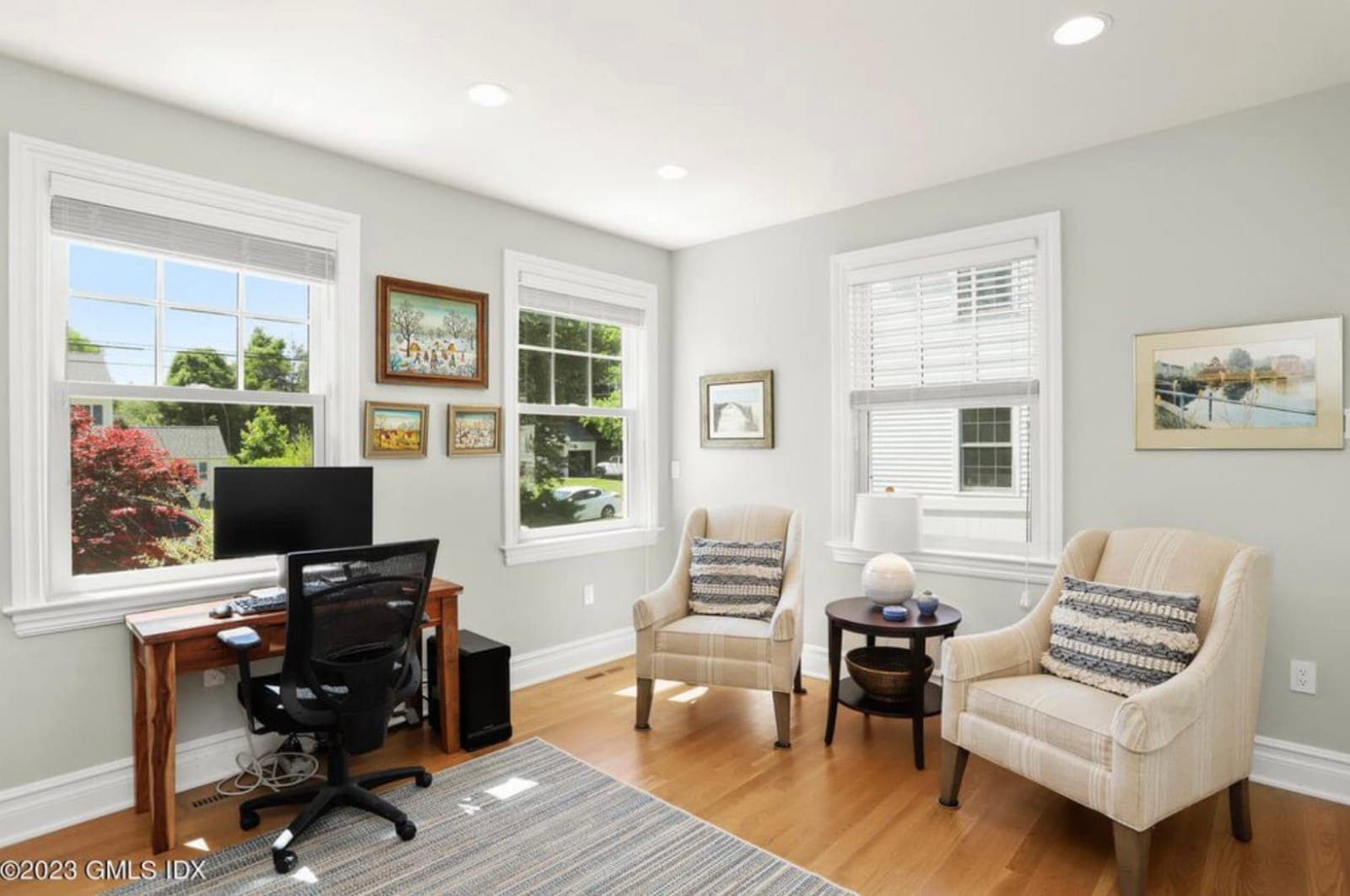
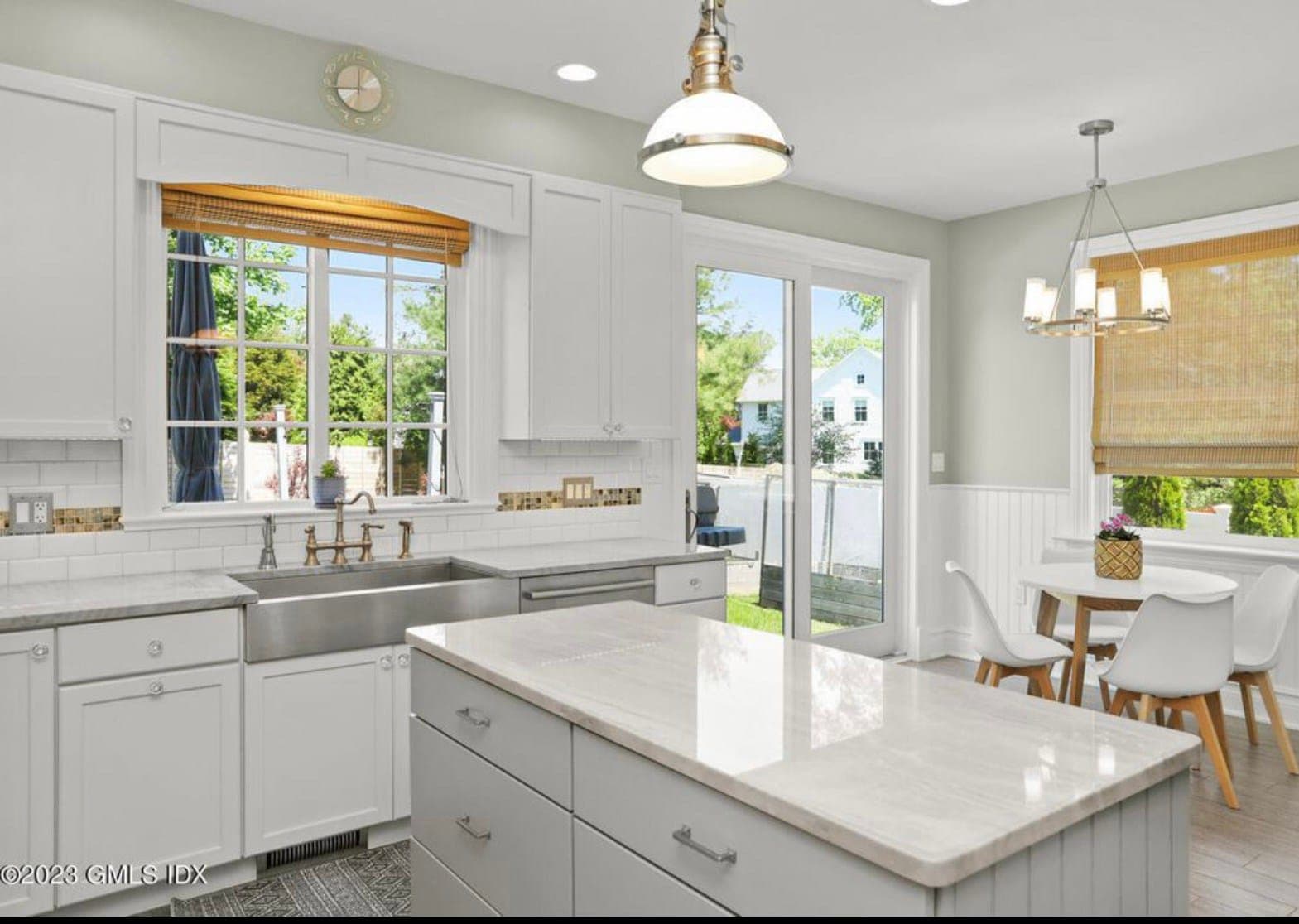
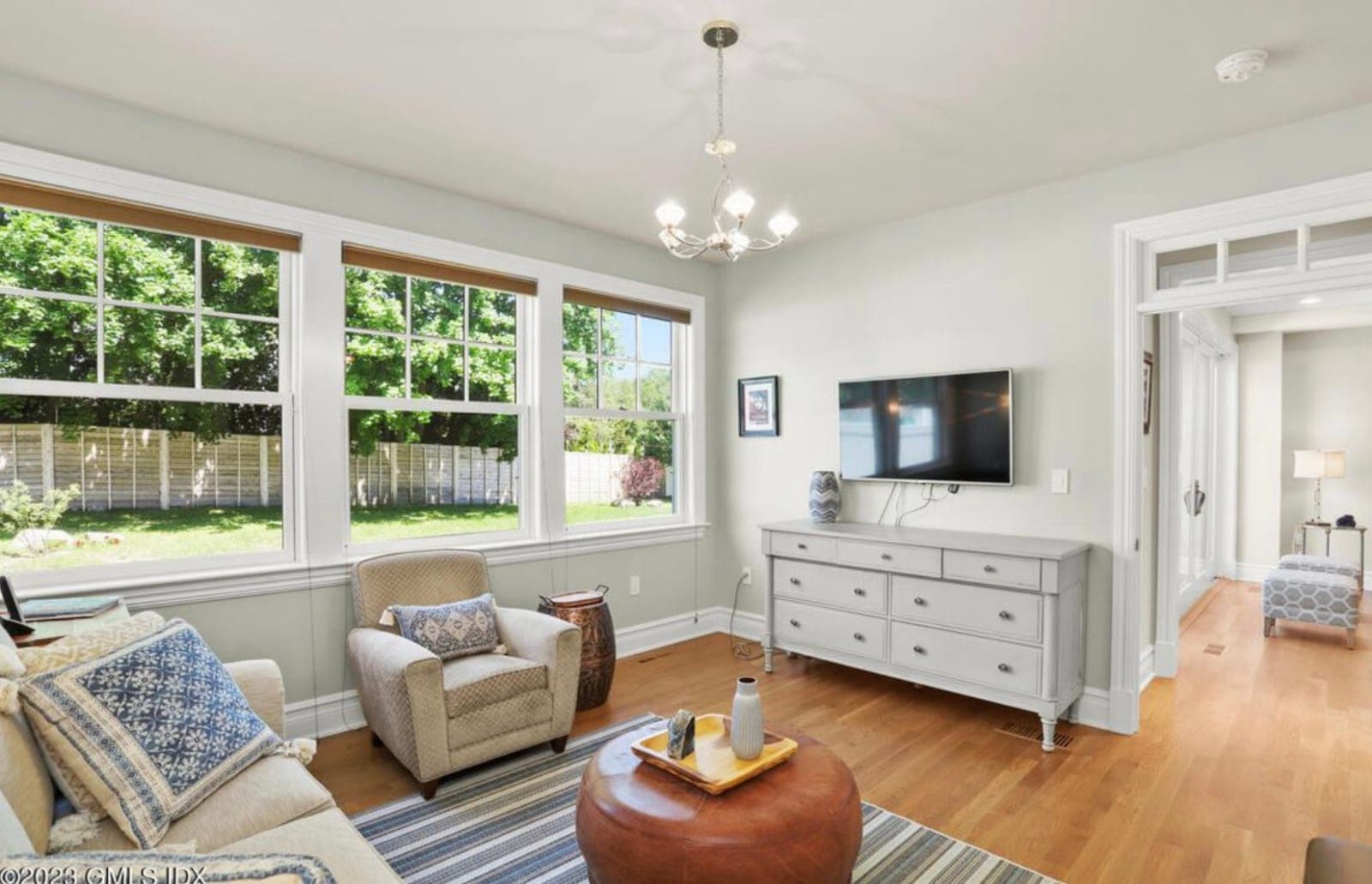
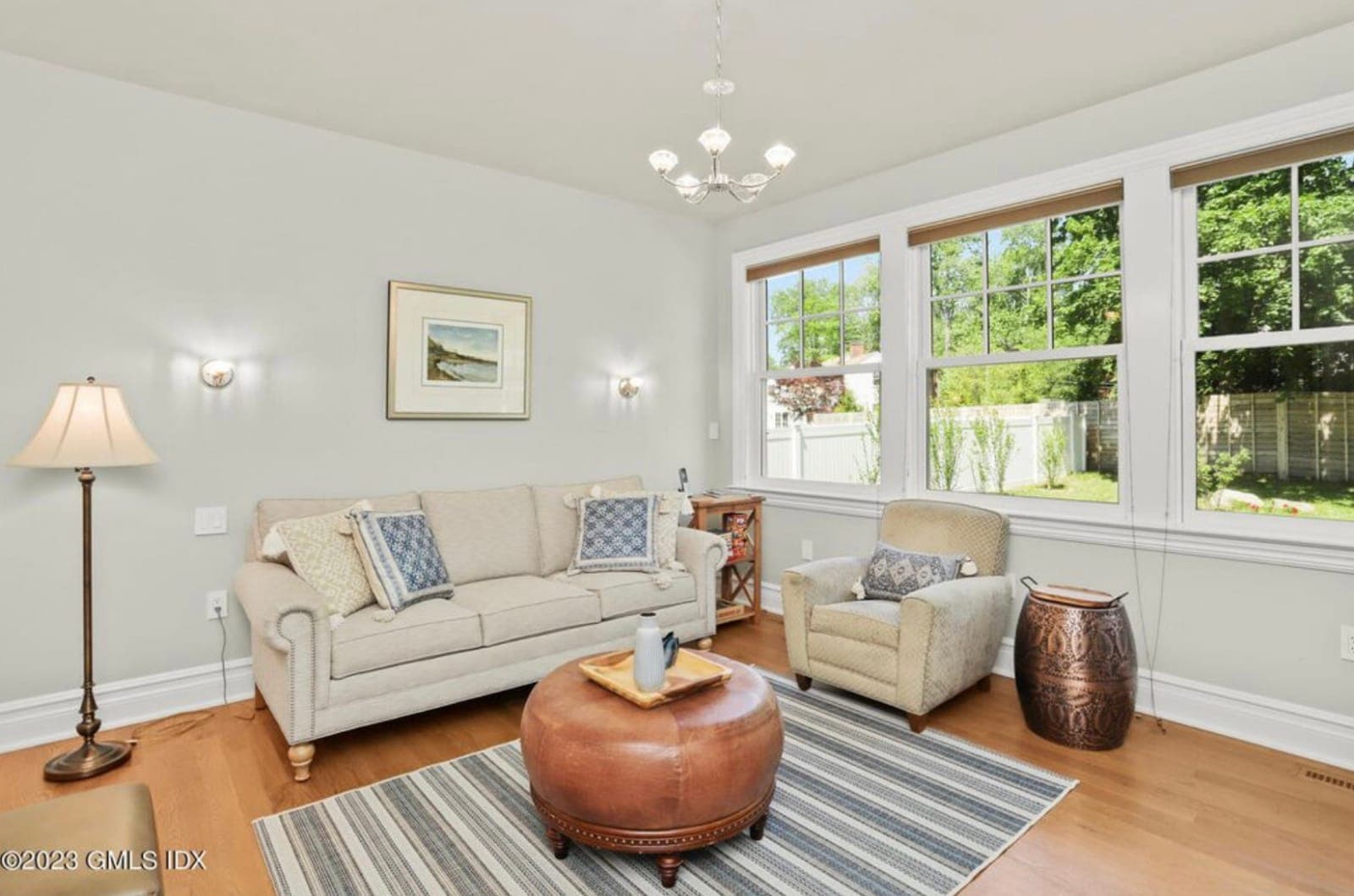
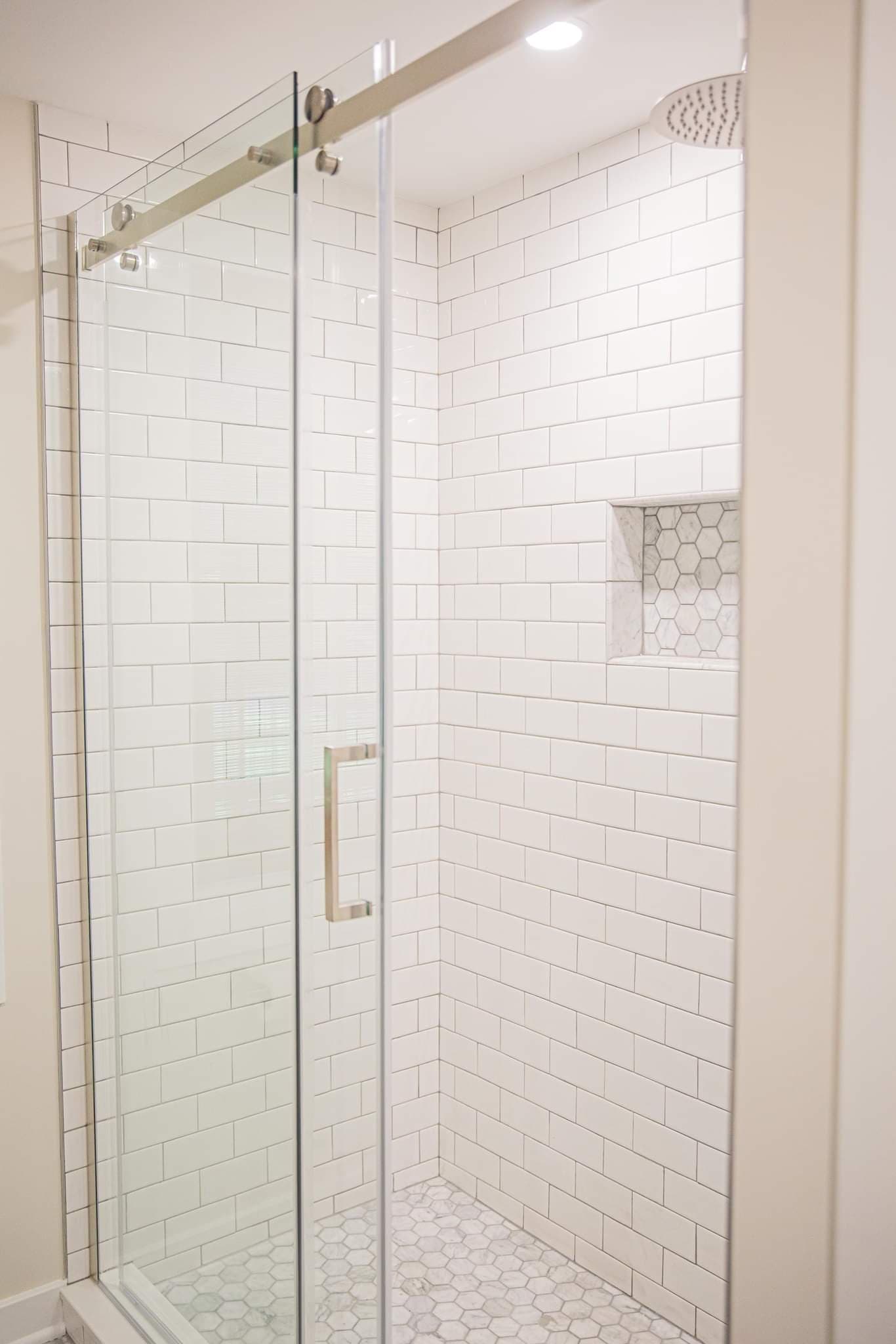
Home Renovation Project Photos



Get Started Today
Ready to Remodel Your Kitchen?
Contact NZ Home Improvement for professional remodeling services in Stamford, CT. Call now or request a free estimate.